
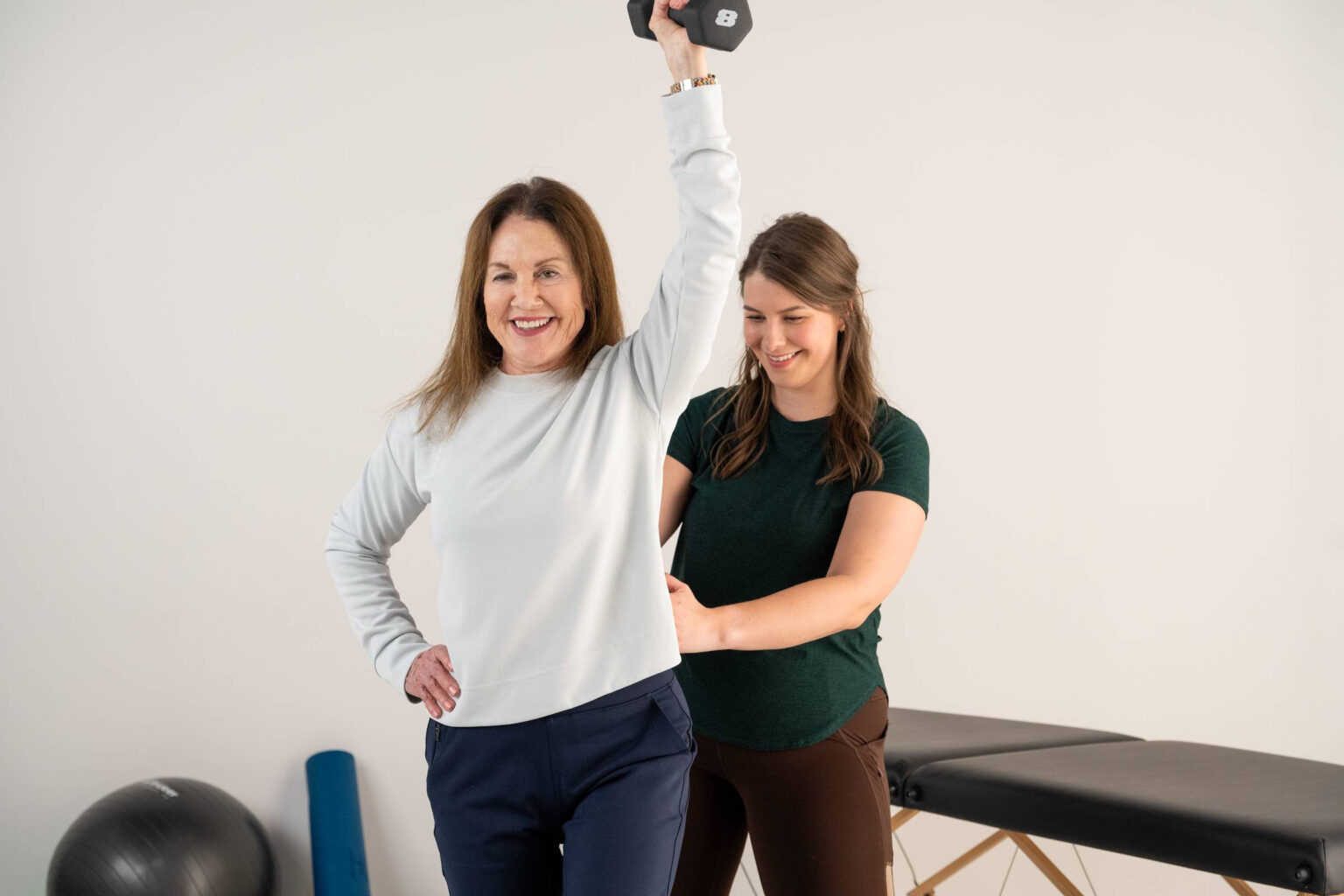
It’s easy to answer that question with something big. We want to stay independent, keep doing the things we love, and hopefully feel like ourselves along the way. But when I really think about it, some of the things I’d want to hold onto are pretty ordinary. I want to be able to get down on the floor and back up again, carry my own groceries into the house (maybe all in one trip), and say yes to doing something without first wondering whether my body can handle it.
Your answer might look completely different from mine, and that’s kind of the point. We spend a lot of time talking about how to live longer, but I think there’s another part of that conversation worth having: what do we actually want to be able to do with those years?
Healthy aging looks different for everyone.
There is no shortage of advice about staying healthy as we get older. Stay active, build strength, work on your balance, eat well, get enough sleep, and keep up with preventive care. Those recommendations, as overwhelming as they can be, absolutely matter. But they don’t tell us much about what being healthy actually allows someone to do in their own life.
You can know that strength is important without ever thinking about what you want to be strong for. The same is true for balance, endurance, flexibility, and many of the other things we tend to talk about when it comes to aging. For one person, staying strong might mean being able to spend an afternoon working in the yard without needing the next two days to recover. Someone else may care more about picking up their grandchildren, playing a sport they love, taking care of animals, or living comfortably in the home they’ve been in for decades.
What we want our bodies to be able to do as we get older depends a lot on the lives we want to keep living.
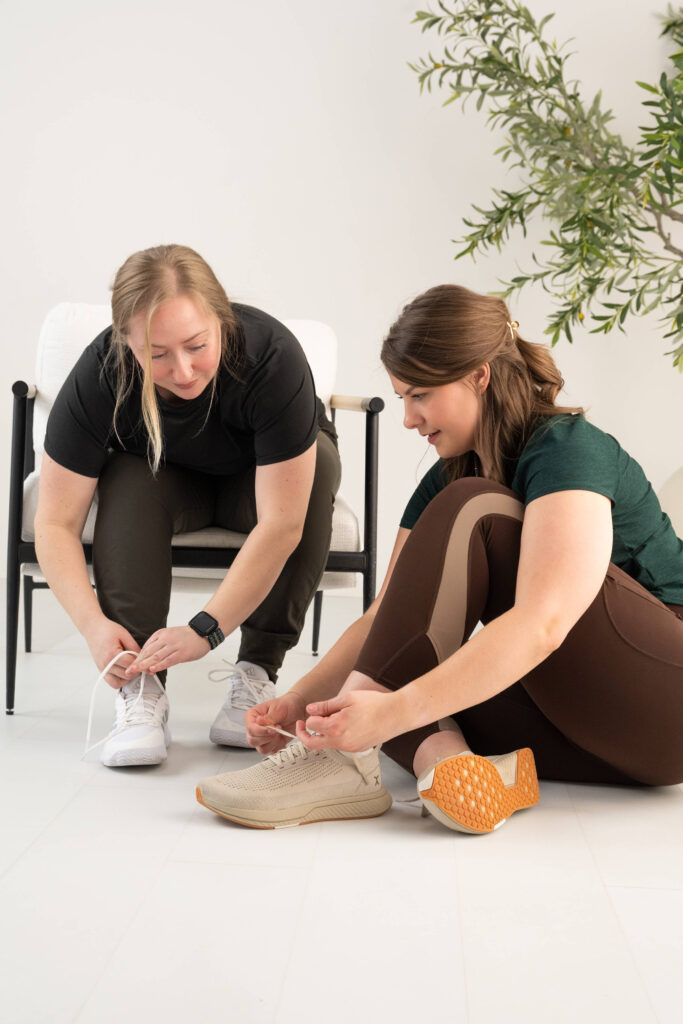
Think about what your life actually asks of you.
Think about something as ordinary as carrying a laundry basket from one floor of your house to another. It’s just laundry, right? But to get that basket upstairs, you’re carrying weight, navigating stairs, maintaining your balance with your hands occupied and your view partially blocked, and probably maneuvering around whatever someone left sitting on the stairs.
We don’t usually break our lives down this way, and I don’t think we need to start analyzing every activity we do (that’s my job). But it does show why broad advice like “stay active” can only take us so far. Our lives ask us to move in all kinds of ways, and what your day requires from your body may be completely different from what mine requires.
That’s what I think is often missing from conversations about healthy aging. Being “active” or “strong” tells us something, but it doesn’t tell us whether we have the capacity for the things our actual lives ask us to do.
We tend to overlook the ordinary things.
The other thing about everyday activities is that we don’t usually notice them when they’re going well. Getting dressed, stepping into the shower, making dinner, getting in and out of the car, or taking care of the house can feel pretty insignificant when you’ve done them thousands of times.
We tend to pay more attention when something starts requiring more effort, takes longer than it used to, or we quietly begin changing the way we do it. Maybe you start using your arms every time you stand up from a chair. You stop getting down on the floor because getting back up is a hassle. You start making two trips with the groceries instead of one. None of those things necessarily feels like a major change on its own, but they can tell us something about how our bodies are handling everyday life.
That’s one reason I pay so much attention to everyday activities when thinking about health. Sometimes they give us information that a number or general recommendation can’t.
What are you getting stronger for?
“Get stronger” is a perfectly reasonable health goal, but I think it becomes a lot more useful when you connect that strength to something. Maybe you want to get yourself off the floor without needing something to pull up on, carry the giant bag of dog food from your car into the house, or spend Saturday working in the garden and still feel like doing something else on Sunday.
The same applies to balance, endurance, mobility, and many of the other things we’re told to maintain as we age. They aren’t just things to measure or improve because someone told us they’re important. They support the things we want and need to do.
So instead of only asking, “What should I be doing for my health?” I think there’s another question worth asking alongside it: What am I hoping my health allows me to keep doing?
Healthy aging has already started
One of the strange things about the way we talk about healthy aging is that we often make it sound like something we’ll need to start thinking about later. Maybe at 60, 65, or whenever we decide we’ve officially become “older.” Except we’re all already aging.
That doesn’t mean we need to spend our 30s, 40s, or 50s worrying about what our bodies might be able to do decades from now, and it certainly doesn’t mean we need to perfectly optimize every part of our health in preparation for the future. But I do think there’s value in occasionally looking a little further ahead.
You don’t need a 30-year health plan to do that. Think about what an ordinary good day might look like for you 10, 20, or 30 years from now. Who are you spending time with? What are you doing? What would you really like to still be doing?
Your answers may have very little to do with a number on a scale, how many steps you took, or whether you can touch your toes. They’re more likely to have something to do with how you spend your time, the people you spend it with, the choices available to you, and whether your health allows you to participate in the life you’ve built.
So, when you picture yourself 10, 20, or 30 years from now, think beyond the number of candles on your birthday cake. What do you hope a regular Tuesday still looks like? Sometimes the ordinary things are exactly what we’re hoping to hold onto.
Attune shares new articles, resources, and perspectives on movement, healthy aging, and everyday life through the Attune newsletter. Thank you for reading, please subscribe to stay connected!