
When you’re preparing for a scheduled surgery, there’s usually a pretty detailed plan. Appointments, imaging, lab work, insurance authorizations, and instructions about what to expect.
But how much of that preparation is focused on what happens when you get home? As an occupational therapist working in acute care, one of the biggest challenges I see is how often people arrive for surgery without really knowing what recovery will look like once they’re back in their own homes.
For many orthopedic procedures, we’re seeing patients the day after surgery, sometimes even the same day. They’re managing pain, swelling, fatigue, and the effects of anesthesia. Meanwhile, we’re asking them to get out of bed, get dressed, use the bathroom, and show us how they’ll manage safely at home.
Sometimes it goes smoothly. Other times, we discover challenges that nobody saw coming. And that’s when the “oh crap” moment happens.
Someone who expected to go home realizes they can’t get dressed while following their hip precautions. Or they discover that getting in and out of bed is much harder than they anticipated. Suddenly, something they’ve done independently for years becomes one of the things standing between them and going home safely.
And here’s what gets me.
Your first time practicing life after surgery shouldn’t have to be the day after surgery. Especially when you’re being asked to do familiar things in completely unfamiliar ways.
That’s where prehab comes in.
Most people are familiar with rehabilitation, or rehab, which helps us recover after an injury, illness, or surgery. But what about preparing before something happens?
That’s the idea behind prehabilitation, or prehab with Attune. It’s about preparing your body and daily routines ahead of a planned procedure, rather than waiting until afterward to figure everything out.
It’s also part of a bigger conversation about preventive healthcare. We tend to focus on our health when something goes wrong, but there are opportunities to prepare, build strength, and address potential challenges before we’re faced with them.
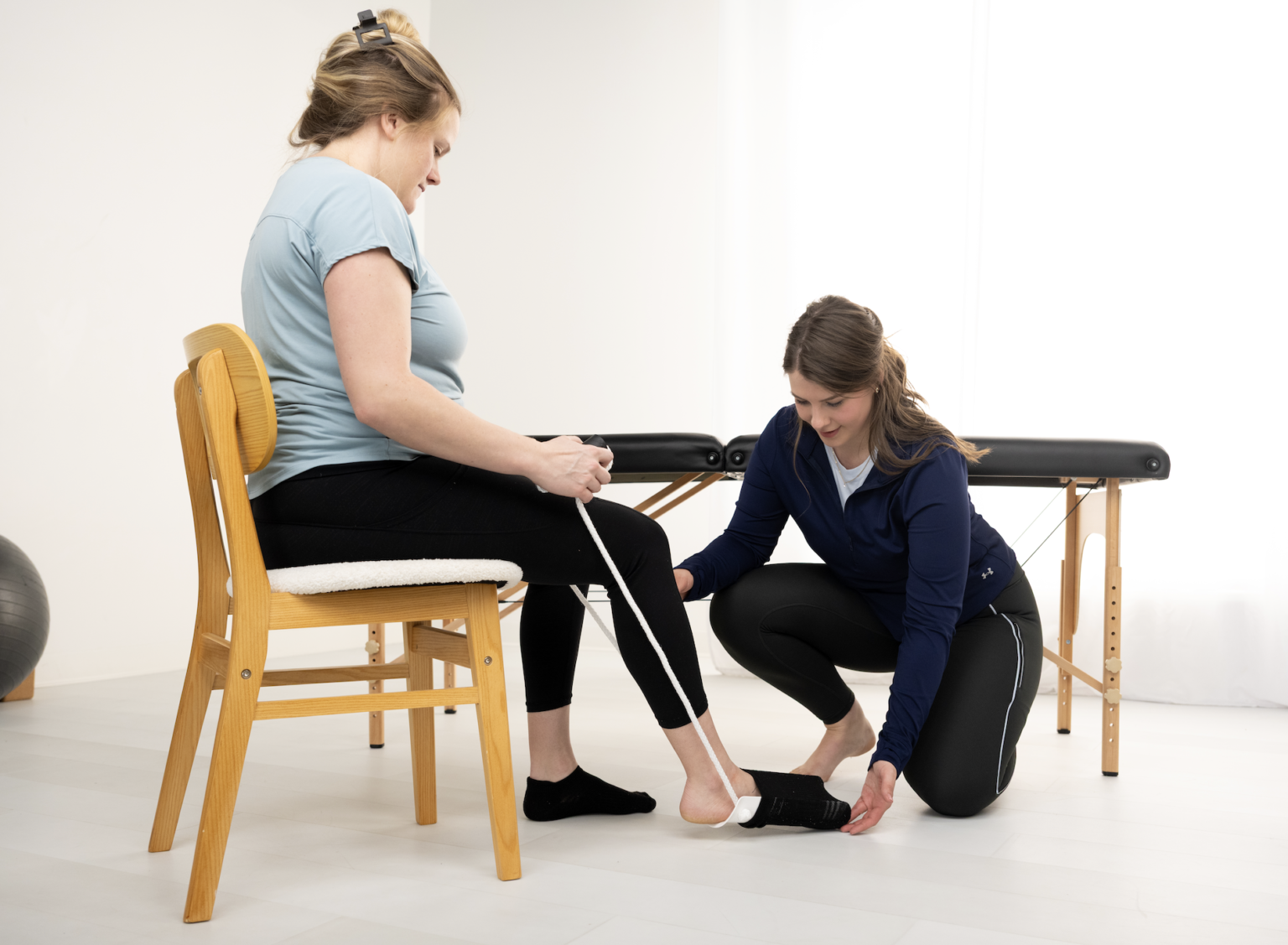
For someone preparing for a knee, hip, or shoulder surgery, that might mean improving strength and mobility. But it can also mean something as practical as learning how to get dressed, get out of bed, or move around your home while following your surgeon’s anticipated precautions.
These are things we can begin talking through and practicing ahead of time, with guidance from your healthcare team.
There is something to be said for figuring these things out in your own home, on a day when you’re feeling like yourself, rather than for the first time in a hospital room when you’re exhausted, potentially in pain, and probably wearing a hospital gown that is leaving your backside open.
The discharge plan isn’t always what you expect.
Healthcare is changing, and the realities of recovering from surgery are changing with it.
A recommendation for additional rehabilitation doesn’t guarantee insurance will authorize it. Even when the healthcare team advocates for that level of care, coverage decisions and available resources can change what happens next in your plan of care. For people living in rural communities, the options may be even more limited.
That doesn’t mean everyone should expect to go directly home, or that prehab replaces rehabilitation when it’s medically necessary.
It means we need to be having these conversations earlier.
I can’t promise that preparing ahead of time will make everything go according to plan. Nobody can. But I do believe there’s a difference between going into surgery hoping things will work out and going into surgery having practiced, asked questions, and thought through what you might need.
The goal isn’t to control every part of your recovery. It’s to feel more informed, more prepared, and better able to participate in the decisions being made about your care.
I’d much rather see someone arrive for surgery overprepared than have their return home delayed because they’re struggling with something, like getting dressed while following hip precautions, that we could have practiced weeks earlier.
What’s Worth Noticing
If you or someone you love has a planned surgery coming up, picture the first evening back home.
How will you get into bed? Use the bathroom? Prepare something to eat? Who will be available if you need help? How will you get inside your home?
You don’t need to have every answer. But you deserve the opportunity to ask those questions, understand your options, and prepare before you’re in the middle of recovering.
Preparing for surgery should include preparing for the life you’re coming home to.
Preparing for an upcoming orthopedic surgery?
At Attune, we offer private educational workshops and individualized occupational therapy appointments to help you prepare for the everyday realities of recovery.
Whether you have questions about what to expect, want to explore strategies for managing daily activities, or would benefit from a more comprehensive assessment of your home environment and functional needs, we can find an approach that makes sense for you!
In-home: Omaha, Gretna, and Elkhorn, Nebraska
Telehealth: Nebraska, Iowa, Idaho, and Minnesota