
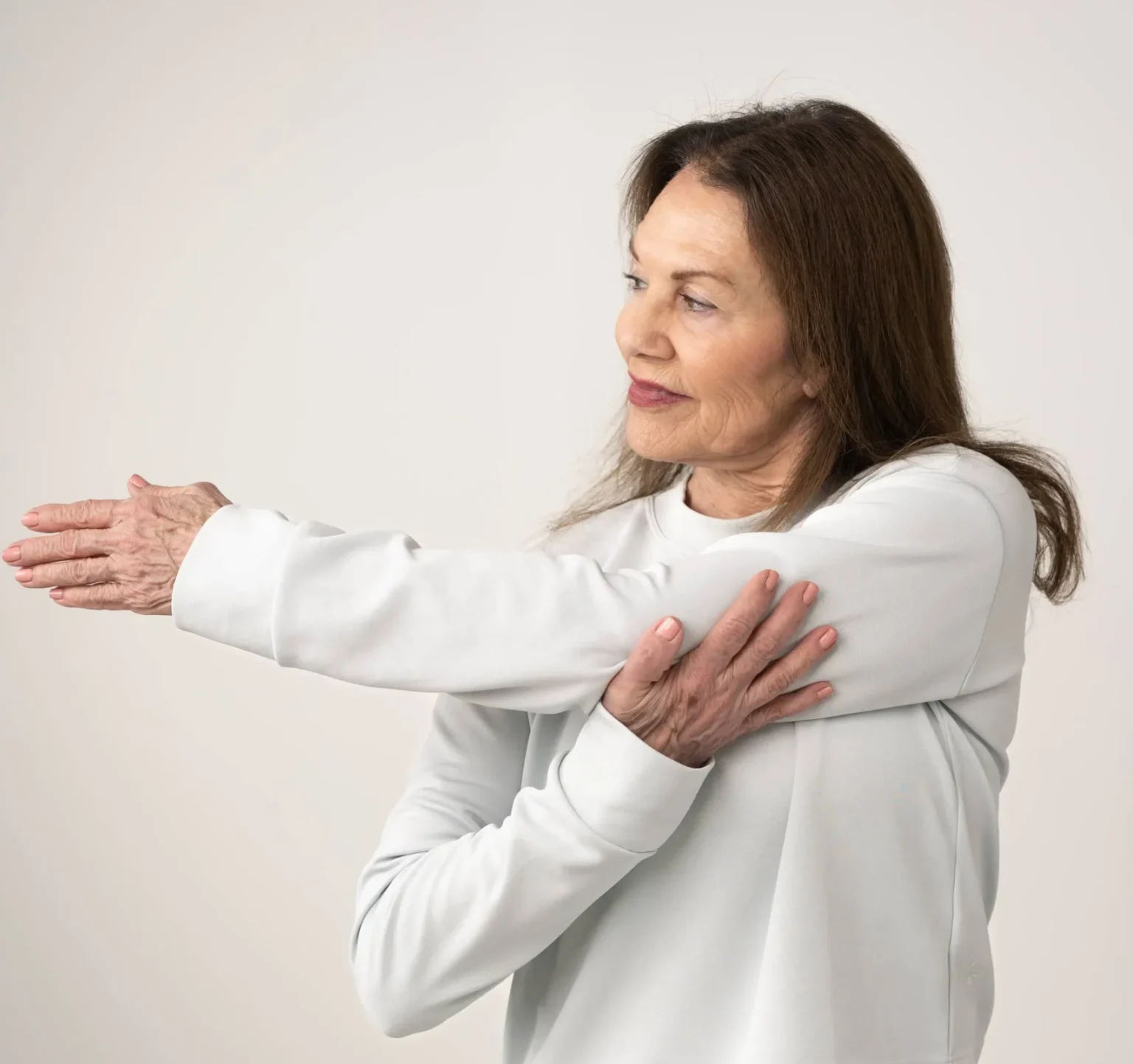
Maybe you’ve started to notice that it takes a little longer to get moving in the morning, take those first few steps after a road trip, or get out of a restaurant booth. You stand up after sitting through an evening of Netflix and need a few steps before your body feels ready to cooperate again.
At some point, it’s easy to wonder:
Is this just part of getting older?
The short answer is that our bodies do change with age. But that doesn’t mean every change should automatically be dismissed as “just getting older.”
Our bodies change, but aging isn’t the whole story.
As we get older, changes can occur in our joints, muscles, fascia, strength, and flexibility. Some people notice that they don’t move quite as easily as they once did or that their bodies take longer to warm up after periods of rest.
But age is only one part of the picture.
How much you move, the types of activities you do, previous injuries, health conditions, pain, strength, daily routines, and even how much time you spend in certain positions can all influence how your body feels and moves.
This is why two people who are the same age can have very different experiences with mobility.
Getting older is inevitable. Losing the ability to comfortably participate in the things that matter to you isn’t something we should automatically assume is inevitable too.
Pay attention to what happens after you start moving.
Not all stiffness behaves the same way.
You might feel stiff when you first get out of bed but notice that it eases once you shower, walk around, and start your day. You might feel stiff after sitting at your desk for a few hours but loosen up after changing positions a couple times. Or you might notice something different. The stiffness doesn’t improve much once you get moving, it’s becoming more noticeable, or you’re starting to change how you do certain things because of it.
Those differences matter. You don’t need to analyze every ache or monitor every movement. Bodies naturally feel different from one day to the next. What can be useful is noticing patterns.
If you choose to discuss this change with a trusted healthcare professional, those details can also help you have a more productive conversation than simply saying, “I feel stiff.”
A better question: Is it changing what you do?
One of the most useful ways to think about stiffness isn’t simply how stiff you feel. What are most of us supposed to report for that anyway? A lot or a little? Stiff is stiff, right? Am I supposed to think of what a scale of 1-10 would be? I dont think so!
It’s whether that stiffness is beginning to change your life.
Maybe you’ve stopped sitting on the floor because getting back up has become difficult. Turning your head while driving feels limited. Putting on your shoes requires more effort. You’ve stopped reaching into a high cabinet with one arm. You’re walking shorter distances, avoiding certain exercises, or saying no to activities because you’re unsure whether your body can handle them.
These may seem like small adjustments, and sometimes they are. But everyday activities can give us useful information about how our bodies are functioning. Sometimes the first sign that something has changed isn’t a number or a test result. It’s realizing you’re doing everyday life a little differently than you used to.
Movement still matters.
When people feel stiff, it’s tempting to think the solution must be stretching and stretching alone.
Stretching can absolutely be useful. Maintaining enough flexibility to comfortably perform everyday activities matters. But mobility is more than flexibility.
Strength matters. Balance matters. So does regularly moving your body in different ways. But what matters most is having the capacity for the things your life asks you to do.
Someone who wants to continue gardening has different movement demands than someone who wants to travel, play pickleball, play on the floor with young children, hike, or simply feel comfortable getting in and out of the car.
The goal isn’t to become as flexible as possible. The goal is to maintain enough movement, strength, and confidence to continue doing the things your life asks of you.
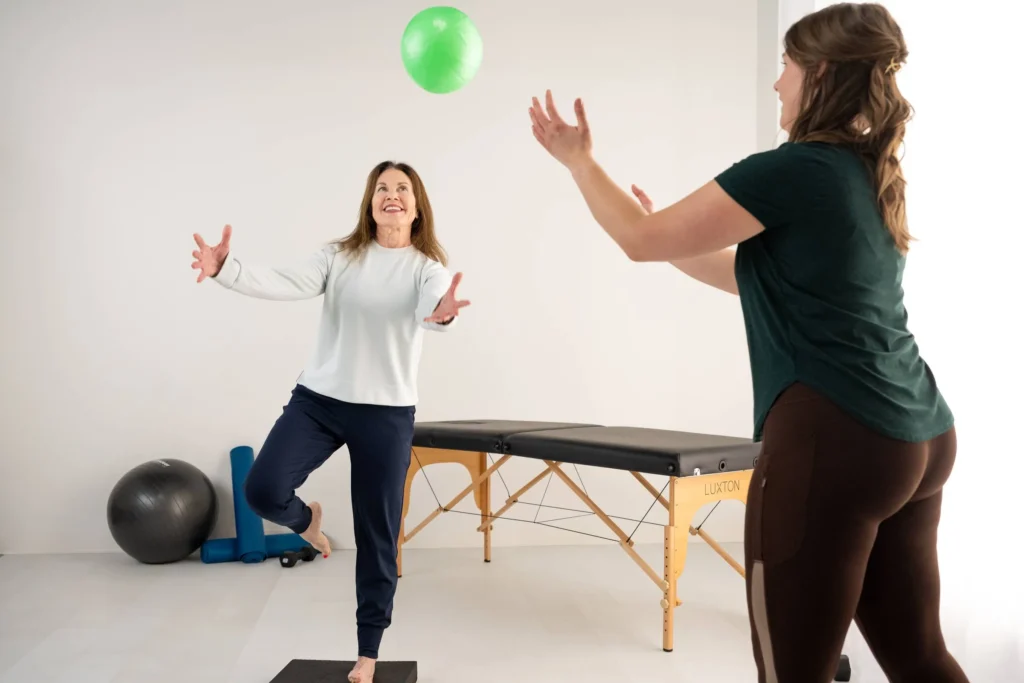
Getting older doesn’t mean ignoring your body.
The goal isn’t to prevent every change or expect ourselves to move exactly as we did at age 20. But there’s also a difference between accepting that our bodies change and assuming every new limitation is simply the price of getting older.
Paying attention to how your body feels, moves, and handles the things you do every day can give you useful information about how your needs may be changing over time. That doesn’t mean every change is a sign that something is wrong. It simply gives you more information to work with.
Healthy aging isn’t about trying not to age. It’s about continuing to build and maintain the strength, movement, and capacity to participate in the life you want to live.
Attune shares new articles, resources, and perspectives on movement, healthy aging, and everyday life through the Attune newsletter. Thank you for reading, please subscribe to stay connected!